
When facing hair loss, you seek a permanent solution that delivers an undetectable result. Direct Hair Implantation (DHI) is known for its exceptional precision and ability to achieve natural hair angle and density. But there are key limitations of a DHI hair transplant vs FUE; most notably: lesser hair grafts can be transplanted in a single session. The technique also employs the specialized Choi Pen, which requires a highly specialized surgeon, leading to its higher overall prices.
The following information is sourced from the Chief Hair Transplant Surgeon at the Dr. Serkan Aygin Clinic. Our article will detail all inside-outs of this innovative hair implant method. We will discuss its advantages and disadvantages, we will review before and after photos, results month by month, and will determine the DHI hair transplant cost in key countries such as Turkey, the UK and the US.
Here are the main points to consider:
- DHI offers a session capacity of 3,500-4,500 grafts on average (up to 6,000+ with a healthy donor area)
- DHI’s primary benefit is a high Graft Survival Rate of 98%+
- Final results take 12–18 months to fully mature
- DHI hair transplant costs vary from $2,500–$4,500 in Turkey, versus $10,000–$25,000+ in the US/UK (per-graft pricing).
- Unshaven DHI (U-DHI) allows for a highly discreet procedure
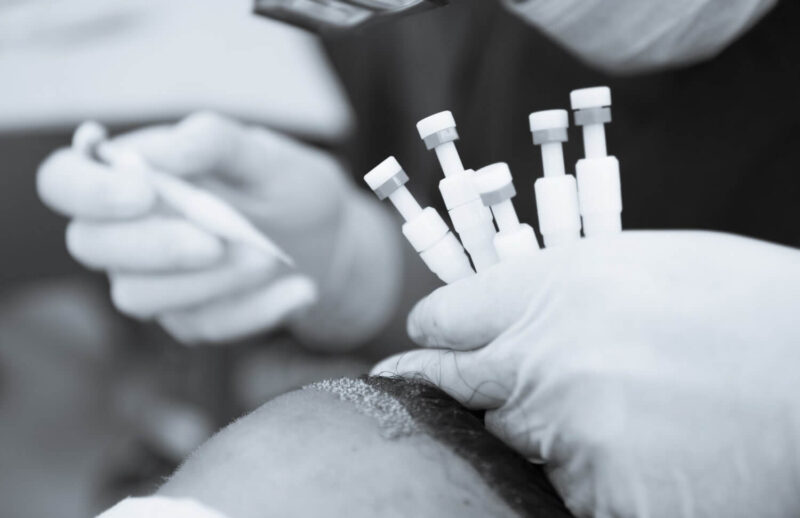
- DHI’s Choi Implanter Pen performs channel creation and graft insertion in a single step
How to Choose the Best Clinic for a DHI Hair Transplant?

When considering a hair transplant, the choice of the technique (DHI vs. FUE) is secondary to the choice of the surgeon and clinic. For a procedure as intricate as Direct Hair Implantation, the difference between a successful, natural result and a poor outcome lies squarely in the hands of the medical team.
Dr. Serkan Aygin emphasizes three non-negotiable criteria for vetting any clinic offering the DHI technique:
Criteria | Why It Matters for DHI |
I. Surgeon-Led Implantation | DHI requires millimeter-perfect control over the angle, depth, and direction of the grafts. If the implantation is delegated to unlicensed technicians (a common practice globally), the results will often look pluggy or unnatural. |
II. Certifications & Protocols | The clinic must adhere to strict, sterile protocols, ideally certified by international bodies (like JCI or ISO), to minimize the risk of infection and maximize graft survival. DHI requires a specialized cleaning and graft preservation process. |
III. High Graft Survival Rate | DHI is specifically designed to minimize the time grafts spend outside the body, aiming for graft survival rates of 98% or higher. The clinic must transparently publish or guarantee its survival rate. |
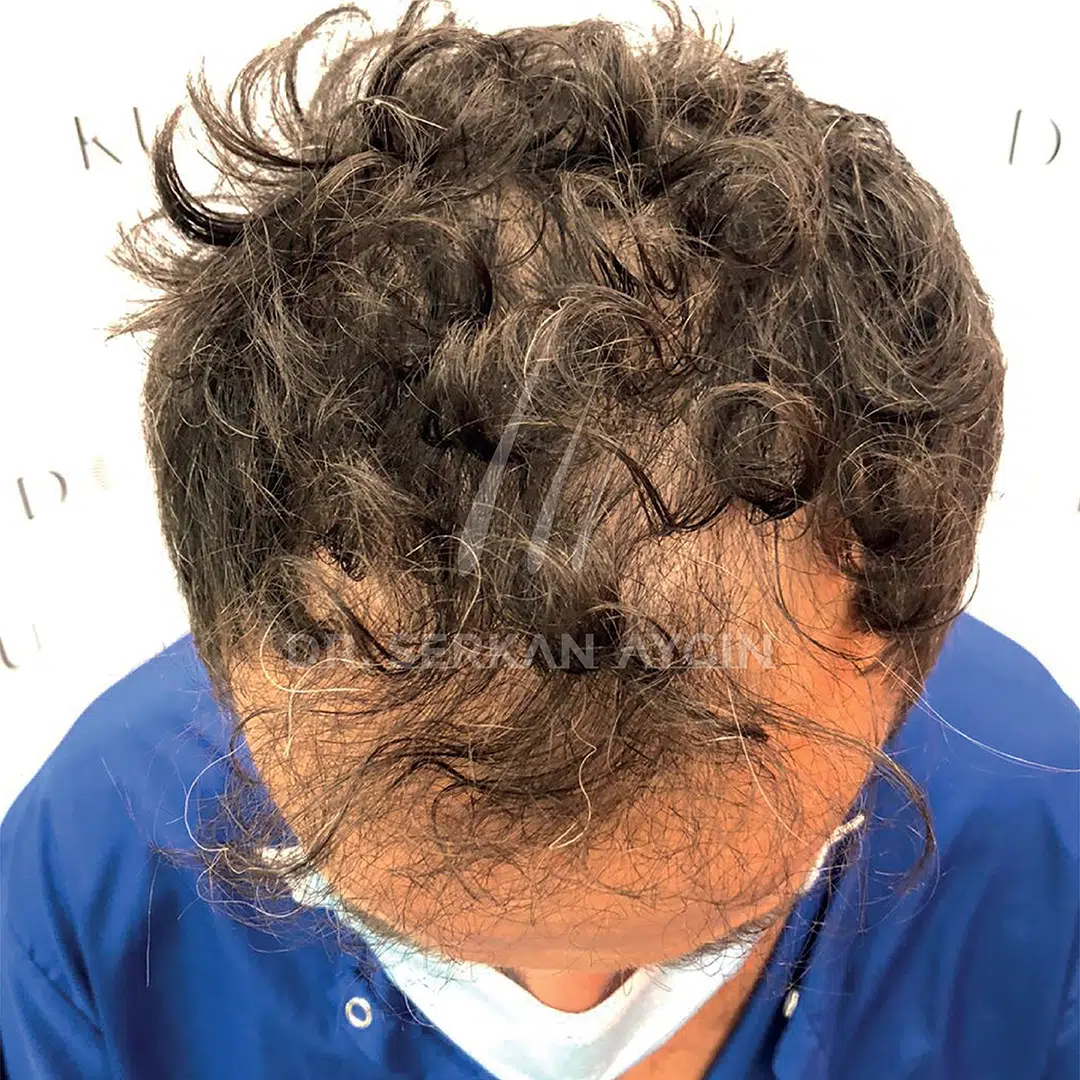
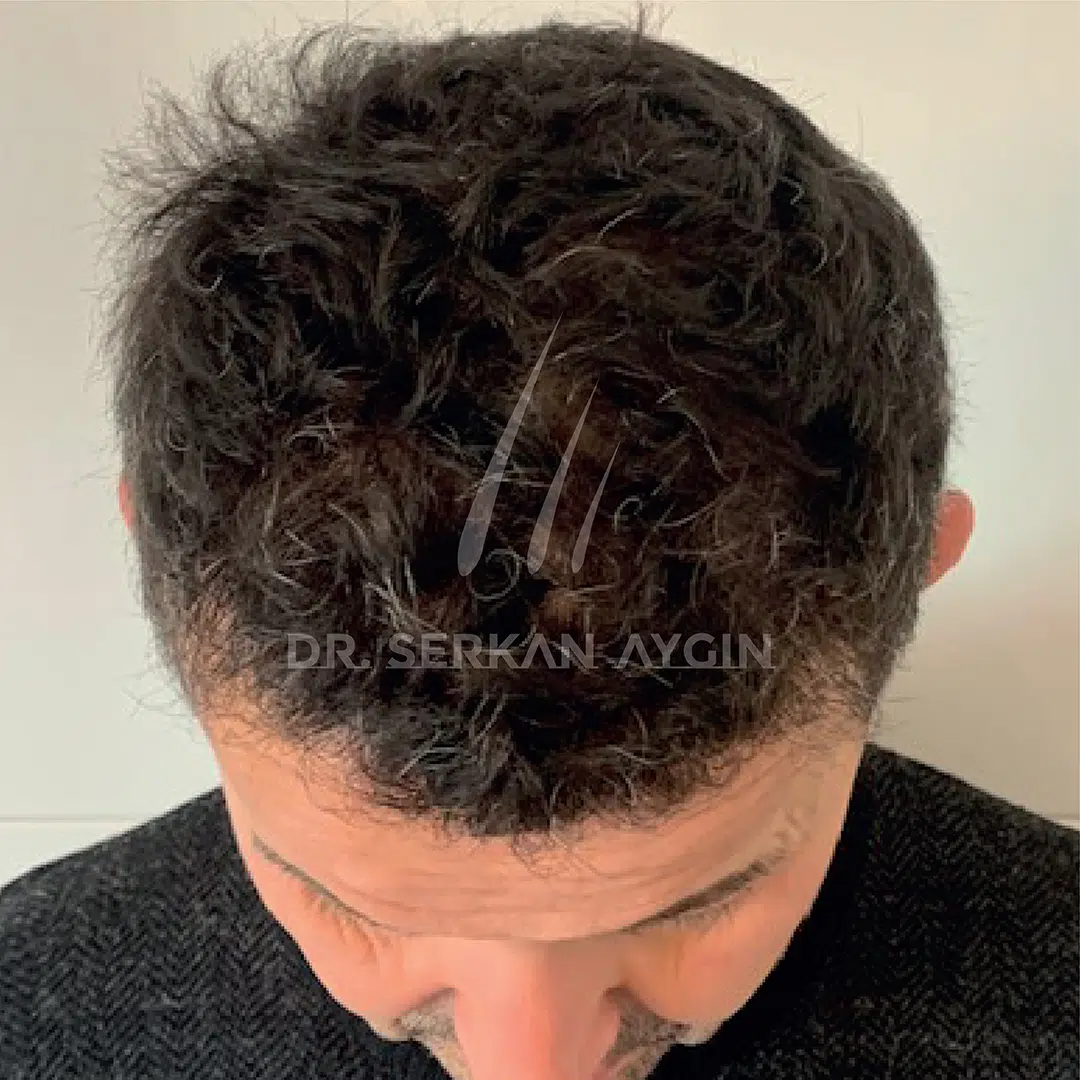
DHI Hair Transplant Before and After Pictures

DHI Hair Transplant vs FUE
The distinction between a DHI vs FUE hair transplant is frequently misunderstood, often leading to confusion. The truth, verified by leading surgeons, is that DHI is a refinement of FUE, not a separate technology. Both techniques use the FUE method for extraction, but they differ in the implantation stage.
Feature | DHI | FUE |
Implantation Tool | Choi Implanter Pen | Forceps/Tweezers (into pre-cut channels) |
Implantation Process | Simultaneous: Channel and graft inserted in onemotion. | Two-Step: Channels/slits are opened (using sapphire or metal blades), then grafts are inserted. |
Graft Survival | Highest Potential () | High () |
Precision Control | Superior. Allows millimetric control over angle and depth. | High, but reliant on the channel angle. |
Session Capacity | Lower (,500–2,500 grafts). | Higher (,000–4,500 grafts) |
Healing/Trauma | Less Trauma/Faster Healing | Minimal, but involves creating thousands of channels. |
Ideal For | High-density hairline restoration, eyebrows, beard transplant, and non-shaven procedures. | Extensive hair loss (Norwood V-VII), full scalp coverage, and large graft counts. |
Cost | Higher (Premium Price Point). | Lower (More Cost-Effective). |
How DHI Minimizes Graft Trauma
The DHI method is fundamentally a strategy for graft preservation, which is correlated with the final success rate of the procedure.
- Reduced Ischemic Time: By combining the incision and insertion steps, DHI minimizes the time the follicle spends outside the the body. This is the greatest factor in achieving the 98%+ graft survival rates reported by leading DHI clinics.
- Minimized Tissue Damage: The pen’s fine-diameter tip ensures the implantation is minimally invasive. This leads to reduced post-operative bleeding, swelling, and scarring compared to traditional slit methods.
Types of DHI Techniques and Specialized Applications
While the Choi Pen remains constant, DHI has several approaches, differentiated, for example, by the method of extraction or the use of supplemental technology.
Direct Hair Implantation

This is the Standard DHI technique, the gold standard for artistic control and precision. The entire process is performed manually or with a micromotor punch for extraction.
- Aesthetic Superiority: The manual skill of the surgeon using the Choi Pen provides the maximum degree of freedom in creating a soft, natural hairline design.
- Session Limits: Due to the meticulous nature of manually loading and inserting each graft, session counts are typically limited to 5,000–6,000 grafts to prevent surgeon fatigue and maintain maximum quality control.
Robotic DHI Hair Transplant
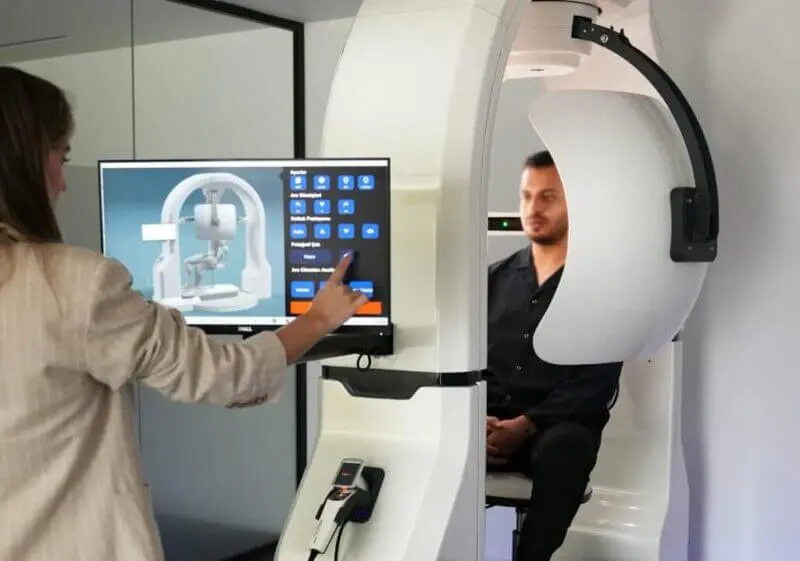
- Extraction Precision: AI biotech systems, guided by digital mapping, use optical sensors to identify the healthiest follicular units.
- Implantation: While robotic systems enhance graft selection, the specialized, aesthetic extraction step is still conducted manually using the Choi Implanter Pen.
Hybrid DHI Hair Transplant
The Hybrid DHI hair transplant model is a pragmatic approach if a patient requires a high number of grafts (e.g., over 4,000).
- Combined Method: This method typically involves utilizing a fast and efficient channel-opening method (such as Sapphire FUE) to create the recipient sites in the less visible areas (e.g., the crown), while reserving the high-precision Choi Implanter Pen for a frontal hairline transplant.
- Goal: The hybrid approach balances the need for large-session graft counts with the need for high density and naturalness in the hairline.
Unshaven DHI (Long DHI)
The Unshaven Long DHI (U-DHI) technique developed by Dr. Serkan Aygin is the ultimate solution for discretion, offering patients the ability to undergo a high-precision DHI transplant with zero observable signs of surgery.
U-DHI Feature | Standard DHI Feature | Key Advantage |
Recipient Area | Never shaved. | Immediate return to social life with existing hair covering the implant sites. |
Donor Area | Partially shaved (a small strip or section). | The shaved area is masked or concealed by the longer, surrounding hair. |
Graft Limit | Lower, typically under 1,500grafts per session. | The tedious, manual extraction of long hair limits the session volume, demanding the highest precision from the surgeon. |
Cost | Highest premium price point. | The significantly increased surgical complexity and time required commands the highest price in the DHI spectrum. |
DHI Hair Transplant Results Month by Month
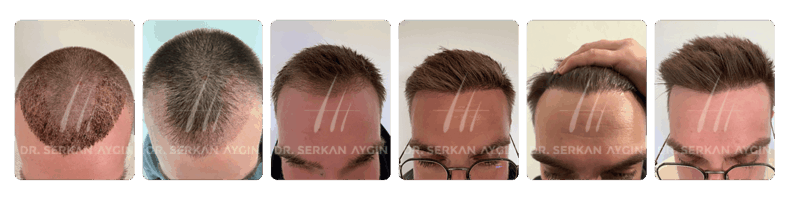
The total maturation of a DHI transplant is a 12-month biological cycle. Patients must exercise patience through the initial resting phase to appreciate the transformative final results. The following is a crucial insight into the early stages of this timeline.
Timeline Stage | Key Biological Event | Patient Appearance & Status |
Month 2 | Peak Shock Loss (Telogen Effluvium).The hair shafts have largely shed; the follicle remains secured. | The transplanted area may look similar to the pre-operative state. This is the most frustrating phase; patience is critical. |
Month 3–4 | Initial Anagen (Growth) Phase Begins.The resting follicles reactivate. | First Signs of Growth. Hair emerges as thin, soft, and wispy (“peach fuzz”). Growth is often uneven, but the process has officially started. |
Month 6 | The growth rate is now at its most rapid. | Significant Cosmetic Improvement. The transplanted hair gains noticeable length, color, and thickness. Patients can usually start styling the new hair. |
Month 9 | Most of the transplanted hair is visible and established. | The hairline and coverage look full and natural. Minor density differences may still be visible, especially in the crown, which heals slower. |
Month 12–18 | Final Maturation. The hair shafts reach their full, native thickness (caliber) and blend perfectly with the surrounding hair. | Final Result. The hair transplant is complete, permanent, and undetectable. The final result is assessed and documented by the surgeon. |
2 Months After a DHI Hair Transplant
The two-month mark represents the peak of the Shock Loss phase, an expected part of the post-operative journey. Due to the temporary trauma of surgery, the transplanted hair shafts will have largely shed (Telogen Effluvium). The follicle itself remains secured beneath the scalp, resting and preparing to enter the active growth (Anagen) phase, which typically manifests around the third to fourth month.
Are You a Good Candidate for DHI?
A DHI hair transplant is suitable for patients who meet specific criteria, ensuring both safety and optimal final density.The most critical factor is your donor area (the back and sides of the scalp). You must have a sufficient dense, healthy follicles (typically over 40 follicular units per cm²).
Based on the assessment protocols at the Dr. Serkan Aygin Clinic, suitability for DHI is determined by:
- Hair Loss Stage and Pattern: The patient must present a stable form of hair loss. Norwood Hamilton Stage II–V and women with Ludwig Scale I or II (diffuse thinning).
- Donor Area Density: The Safe Donor Area must yield a minimum density of to facilitate the high-density and prevent the risk of over-harvesting.
- Medical Contraindications: Procedures are contraindicated in cases of uncontrolled Diabetes Mellitus, active Alopecia Areata (autoimmune attack), Lupus, or the use of anticoagulant (blood-thinning) medication.
- Stability and Expectation: Candidates must have a stabilized hair loss pattern (not rapidly progressing) and hold realistic expectations regarding DHI hair transplant results month by month.
DHI Hair Transplant Cost
The cost of a DHI Hair Transplant varies from $2,500 USD in medical tourism hubs like Turkey, to $25,000 USD or more in the US/UK. The final price is determined by the graft count, the surgeon’s expertise, and the geographic location.
- Western Markets (USA/UK): Price ranging from per graft, making total costs for a standard 2,500 grafts session $10,000 to $25,000+ in the US and UK.
- Medical Tourism Hubs (Istanbul): Costs usually offered as a flat-rate, all-inclusive Turkey hair transplant package for maximum grafts.
Cost Determining Factor | Western Market Model (US/UK) | Global Hub Model (Turkey) |
Pricing Structure | Per-Graft basis () | Flat-Rate All-Inclusive Package |
Surgeon Expertise | High-Cost Overhead (Staff/Taxes) | High Volume/Efficiency |
Graft Count Impact | Direct, Linear Increase (e.g., ×cost) | Often Capped at Maximum Grafts () |
Additional Services | Generally Excluded (Hotel, Transfers, PRP) | Almost Always Included |
Cost of a DHI Hair Transplant in Turkey
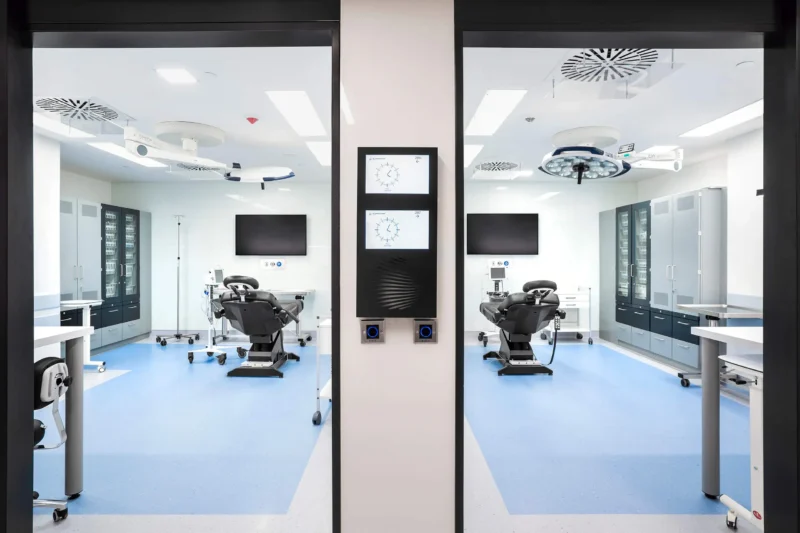
A DHI transplant in Turkey typically costs between $2,500 and $4,500 USD for a comprehensive, all-inclusive package of up to 4,000 grafts, depending on the clinic’s reputation and the surgeon’s expertise.
Why is it Cheaper in Turkey?
The hair transplant cost in Turkey, up to lower than US/UK, is driven by three factors:
- The favorable local Turkish Lira exchange rate
- Lower operational and labor costs
- A massive competitive market volume.
This efficiency allows reputable clinics, such as Dr. Serkan Aygin’s, to deliver world-class excellence without the crippling overhead of Western systems.
Country | Pricing Model | Average Cost Range () | Cost Per Graft |
Turkey | All-Inclusive Package | ,500 – $4,500 | |
United Kingdom | Per-Graft/Procedure Only | ,000 – $15,000 | |
United States | Per-Graft/Procedure Only | ,000 – $25,000 |
Cheapest DHI Hair Transplant
The absolute lowest entry price for DHI globally is found in emerging medical tourism destinations such as Poland (), India, and Mexico, often listed below Turkey’s baseline package rates.
While these countries offer the cheapest DHI hair transplant, choosing a procedure based only on the lowest price carries the risk of poor technique, unsanitary conditions, and irreversible donor area damage. For this reason, patients must prioritize verifying the surgeon’s credentials (e.g., ABHRS certification) and the clinic’s quality standards.
Lowest Cost Hub | Typical Entry Price Range (All Grafts) | Risk Warning |
Poland | ,100 – $2,700 | Potential lack of surgeon specialization/post-op support. |
India | ,000 – $4,000 | Extensive verification of hygiene protocols required. |
Risks of the Procedure
Direct Hair Implantation (DHI) is regarded as one of the safest hair restoration procedures. Serious hair transplant risks are exceedingly rare, particularly when performed by an accredited, experienced surgeon like Dr. Serkan Aygin in a sterile environment. Hair transplant side effects, on the other hand, are usually expected and temporary.
Expected and Common Side Effects (Temporary)
Side Effect | Rationale | Resolution Timeline |
Post-Operative Oedema | Mild to moderate fluid accumulation (swelling), typically affects the forehead and eye area as gravity pulls the injected fluids down. | Peaks Day 2–4; Subsides . |
Shock Loss | The temporary shedding of the transplanted hair shaft (Telogen Effluvium), a normal reaction to surgical trauma. The follicle remains secured. | Occurs ; regrowth starts Month 3–4. |
Numbness & Itching | Temporary hypoesthesia (numbness) due to minor nerve trauma; itching is a sign of primary healing. | Resolves spontaneously within . |
Rare Risks and Potential Complications
- Infection and Folliculitis: The risk of serious infection is less than and is preventable with strict post-operative hygiene and the use of prophylactic antibiotics.
- Over-Harvesting: This critical, rare risk occurs when too many grafts are taken from the donor area, resulting in visible thinning. It is directly linked to inexperienced surgeons who fail to adhere to strict donor density assessment protocols ( minimum).
- Poor Aesthetic Outcome: The greatest long-term risk is an unnatural, asymmetrical, or “pluggy” hairline, or poor angulation. This risk is nearly eliminated when the procedure is performed by a highly skilled DHI specialist.